Water damage
Water Damage & Mitigation Requests
Water moves fast, and in a humid climate it keeps moving inside walls, cabinets and framing long after the visible puddle is gone. Tell us what happened and we will use that information to route your request to a local provider suited to the work.
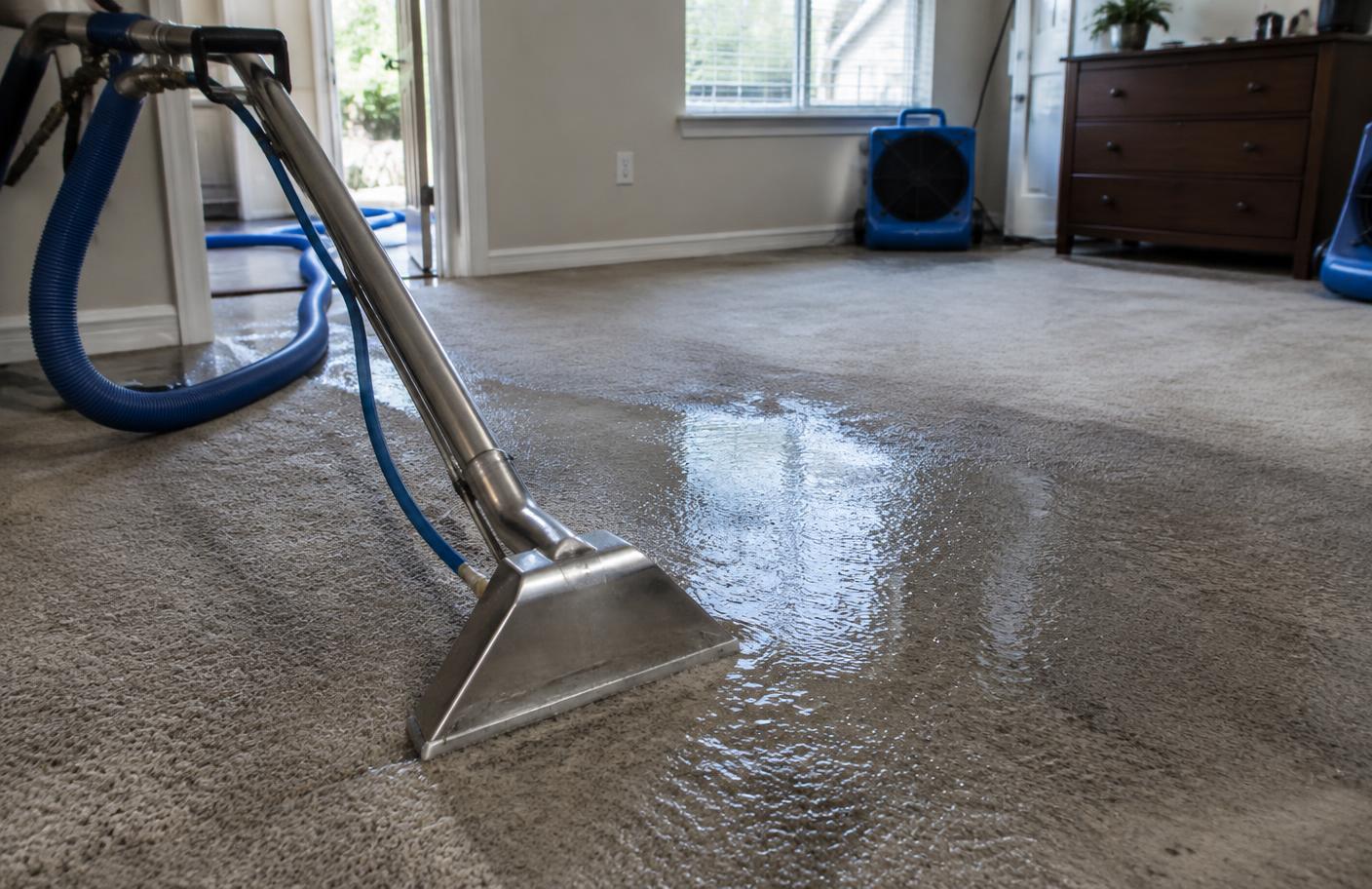
What we can route water damage requests for
Water intrusion rarely arrives in one tidy category. A single burst supply line can soak a hallway, wick up two feet of drywall, saturate insulation under the floor and push humidity into rooms that never got wet. The request form covers all of it at once, so you do not have to guess which service name matches your situation.
- Water damage restoration
- Emergency water extraction
- Flood cleanup
- Burst pipe and supply line cleanup
- Appliance leak cleanup (water heaters, dishwashers, washing machines, refrigerator lines, HVAC condensate)
- Roof leak water damage
- Sewage cleanup
- Structural drying
- Dehumidification
- Moisture mitigation and monitoring
- Storm-related water intrusion
Why drying time matters in North Florida
Outdoor dew points here sit high for much of the year. That means air on its own is a poor drying tool: opening windows in July can add moisture instead of removing it. Effective drying in this region usually depends on controlled airflow plus mechanical dehumidification, with moisture readings taken in the same locations over several days to confirm materials are actually losing water.
The practical consequence is timing. Materials that stay wet tend to develop microbial growth, and the longer saturated drywall, insulation, subfloor and framing sit, the more likely it is that a straightforward drying job becomes a demolition and mold remediation job. If water has been sitting for days, say so in your request — it changes what the work involves.
What to do before help arrives
None of this is a substitute for professional judgment, and nothing here should be done if it puts you at risk. If there is any question about electricity, sagging ceilings, or contaminated water, stay out of the area.
- Stop the source if you can do it safely — a fixture shutoff or the main water valve.
- Keep people and pets out of standing water, especially near outlets or submerged cords.
- Photograph everything before moving items. Photos help with both scoping and insurance.
- Move what you can lift to a dry area; lift fabric and paper off wet flooring.
- Do not tear out wet drywall or flooring before it has been documented.
Mitigation vs. restoration
Mitigation is the stabilizing phase: stopping intrusion, extracting water, removing unsalvageable wet material and drying the structure to a documented target. Restoration is the rebuild — drywall, texture, paint, trim, flooring and cabinetry. Some providers handle both, some specialize in one. Describing the damage clearly helps get your request in front of the right kind of provider.
Related requests
FAQ
Water damage questions
Tell us what happened.
One request form covers every category. If you are not sure what you are dealing with, describe the damage and we will route it from there.