Crawlspaces
Crawlspace Remediation & Moisture Control Requests
Crawlspaces are where most North Florida and South Georgia moisture problems begin. Standing water, sweating ductwork, damp insulation and musty air all point below the floor. Tell us what you found down there.
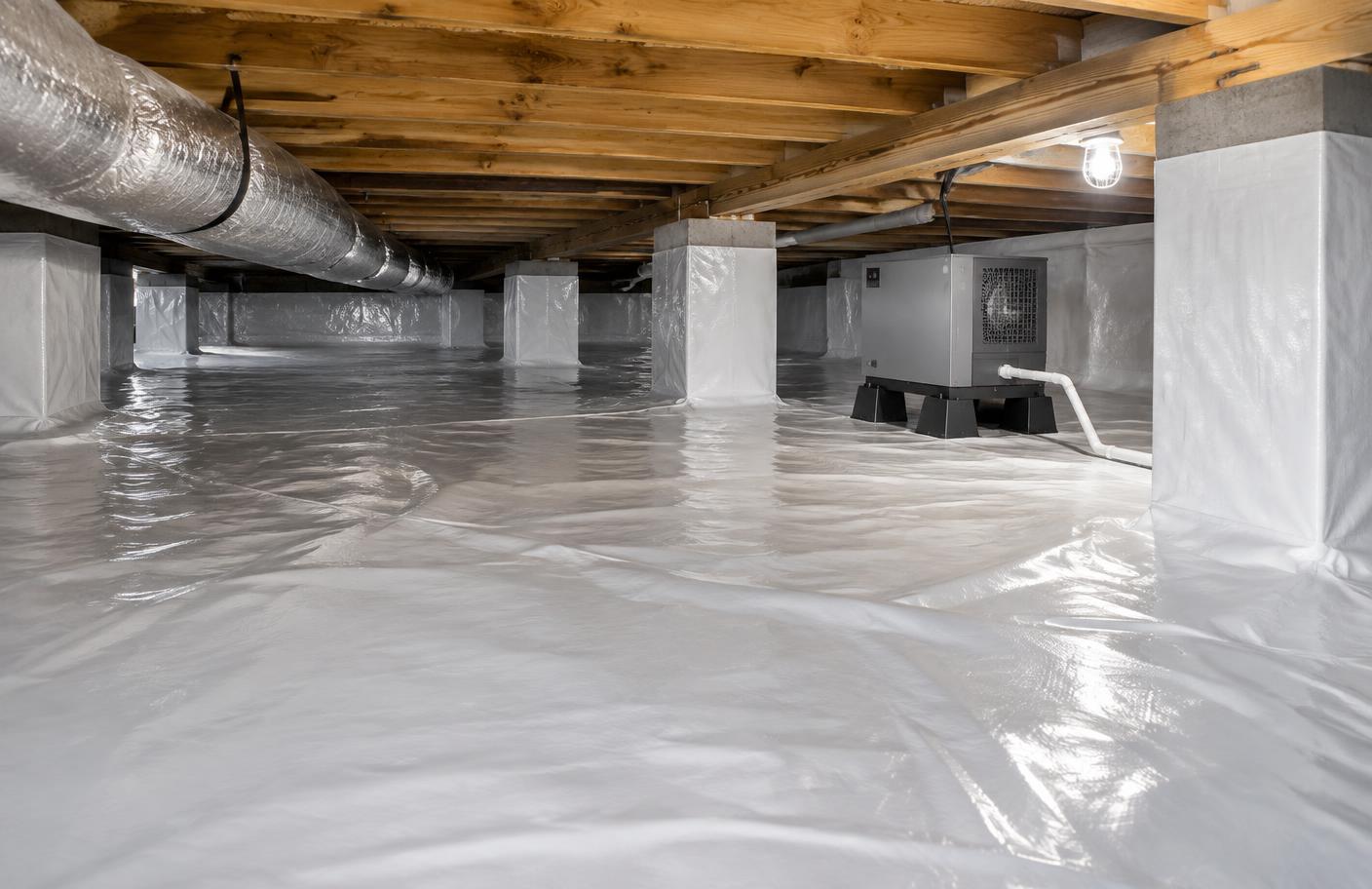
Crawlspace request types
Crawlspace work spans several trades: water removal, drying, microbial remediation, insulation, drainage, vapor barriers and mechanical dehumidification. A request describing the symptoms is usually more useful than a request naming one product.
- Crawlspace moisture problems
- Standing water under the house
- Crawlspace drying
- Crawlspace mold remediation
- Vapor barrier installation and repair
- Crawlspace encapsulation
- Crawlspace dehumidification
- Drainage and grading problems
- High wood moisture content in joists and subfloor
- Crawlspace odor problems
- Insulation removal and replacement
- Ongoing moisture-control solutions
Why crawlspaces fail here
A traditional vented crawlspace was designed on the assumption that outside air dries the space. In this climate the opposite often happens for months at a time. Warm, humid air enters the vents and contacts surfaces cooled by air conditioning and by the ground — cold supply ducts, the underside of the subfloor, plumbing. When surface temperatures fall below the dew point of that air, water condenses. Nothing leaked, and the framing is still wet.
Layer on the local realities: heavy summer downpours and tropical systems, flat lots and clay soils that hold water, tree-covered properties where the ground never fully dries, and older homes with low clearance and torn or missing vapor barriers. The result is a space with high humidity, damp fiberglass insulation hanging out of the joist bays, dark staining on the subfloor and an odor that reaches the hallway above.
How a crawlspace problem is usually addressed
Sequence matters more than product choice. Water gets removed and its route into the space gets corrected first — grading, downspout extensions, a failed drain line, a plumbing leak, or a missing vent-well. Saturated and contaminated materials such as wet insulation come out. Wood is dried and verified with moisture readings rather than by appearance.
Only then does long-term moisture control make sense: a properly lapped and sealed vapor barrier, encapsulation where appropriate, and a dedicated dehumidifier with a drain that actually discharges outside the space. Sealing a wet crawlspace without drying it first traps the problem.
- Identify and correct the water source, including exterior drainage
- Remove standing water and unsalvageable insulation and debris
- Dry framing and subfloor to documented moisture content
- Address microbial growth with an appropriately qualified provider
- Install or repair the ground vapor barrier
- Encapsulate and add controlled dehumidification where appropriate
Signs worth submitting a request about
- Musty smell in closets, along baseboards or at floor registers
- Cupping, buckling or spongy areas in hardwood or laminate flooring
- Insulation sagging or lying on the ground
- Visible water, mud lines or wet soil after rain
- Condensation or rust on ductwork, straps or fasteners
- Dark staining on joists or the underside of the subfloor
Related requests
FAQ
Crawlspaces questions
Tell us what happened.
One request form covers every category. If you are not sure what you are dealing with, describe the damage and we will route it from there.