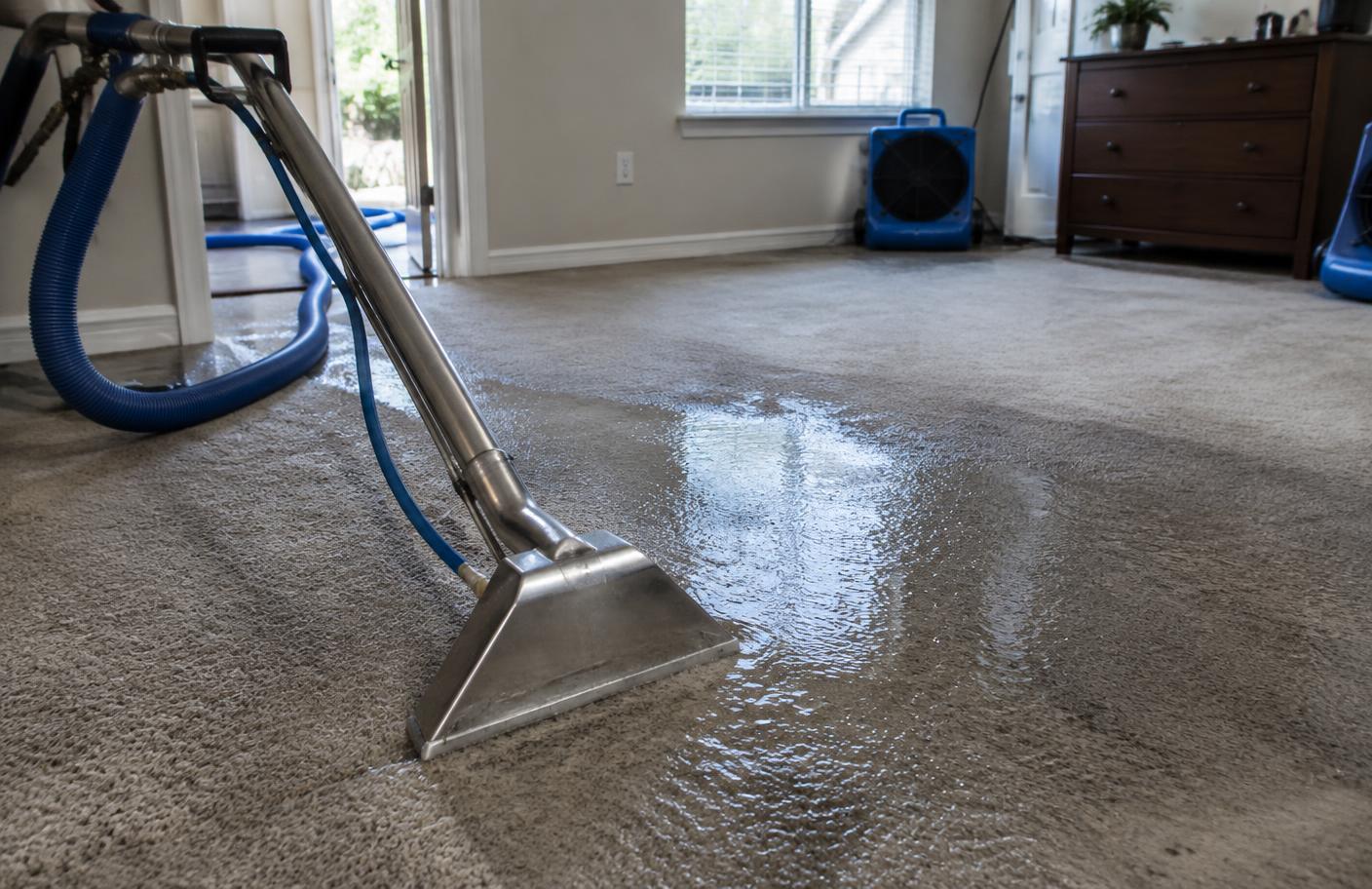
Water Damage Restoration
From the first moisture evaluation to the final repairs, a coordinated plan for getting your property back on track.
Explore service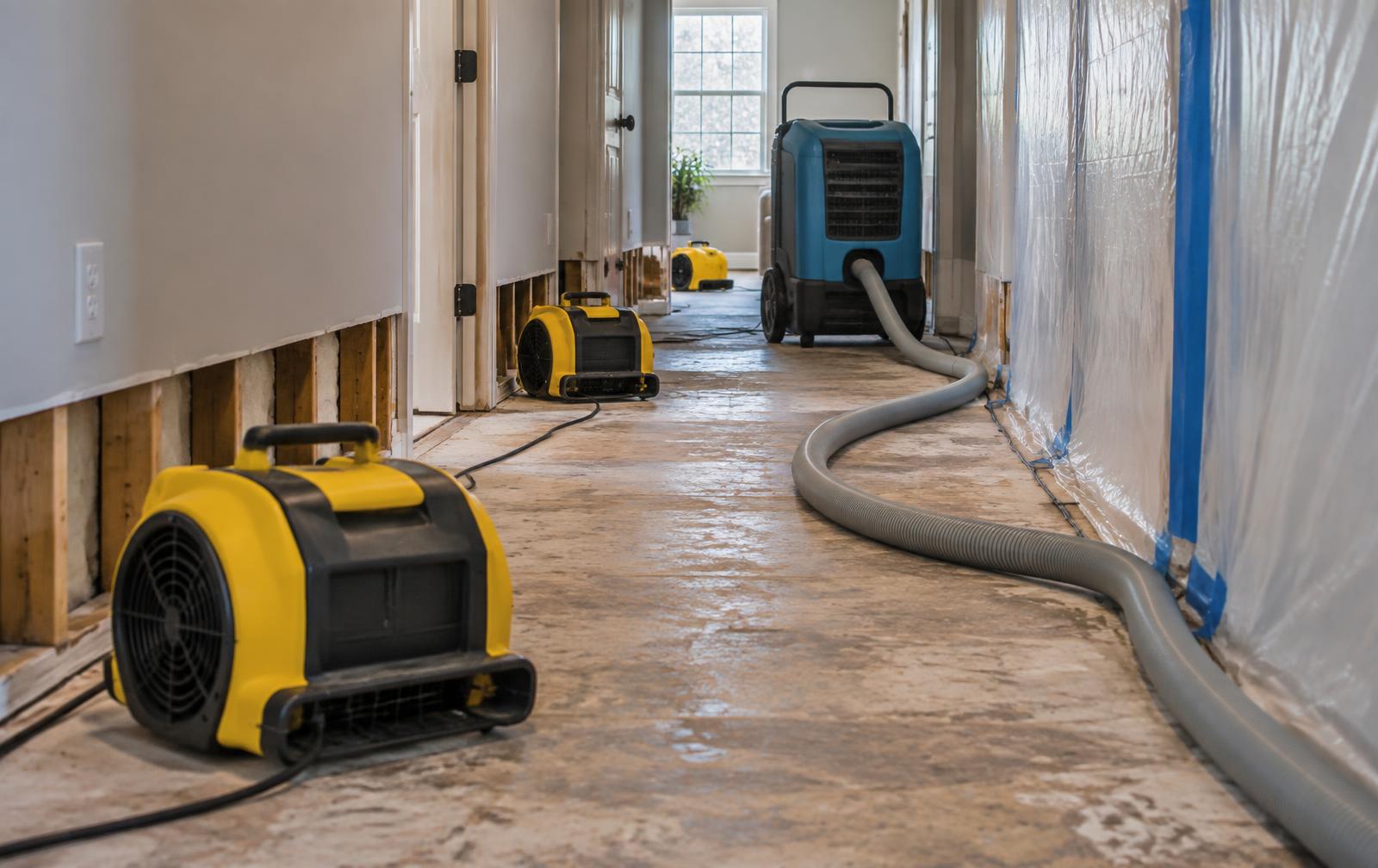
Controlled drying
A room can look dry while moisture remains in the subfloor, framing or wall cavity. We use professional air movement, dehumidification and documented moisture monitoring to guide structural drying after water damage.
Request an AssessmentWater absorbed by drywall, framing, subfloors and insulation does not disappear when the puddle is removed. Moisture evaluation helps identify affected assemblies and guides equipment placement, access needs and appropriate drying goals.
We consider comparable unaffected materials where practical and the requirements of the planned repairs. A dry-looking surface is not enough to establish that an assembly is ready to close up.
Air movers help move moisture away from materials; dehumidification removes that moisture from the air. The equipment works as a coordinated system. Placement and operating conditions may be adjusted as readings and the property’s condition change.
In North Florida, outside humidity can slow progress. Controlled indoor conditions are often more useful than opening windows. Occupants receive information relevant to equipment operation and access during the project.
Initial observations establish where moisture is present. Follow-up readings at appropriate locations help track progress and identify areas that need further attention. The monitoring plan depends on the scope and access, not a fixed promise about the number of visits.
Material thickness, exposure, water conditions, hidden cavities and environmental humidity all influence drying. Some materials cannot reasonably be dried in place and need selective removal. We explain findings and next steps instead of guaranteeing a universal drying time.
FAQ
The next phases
From the first moisture evaluation to the final repairs, a coordinated plan for getting your property back on track.
Explore serviceRemove unwanted water and prepare affected rooms for controlled drying and recovery.
Explore service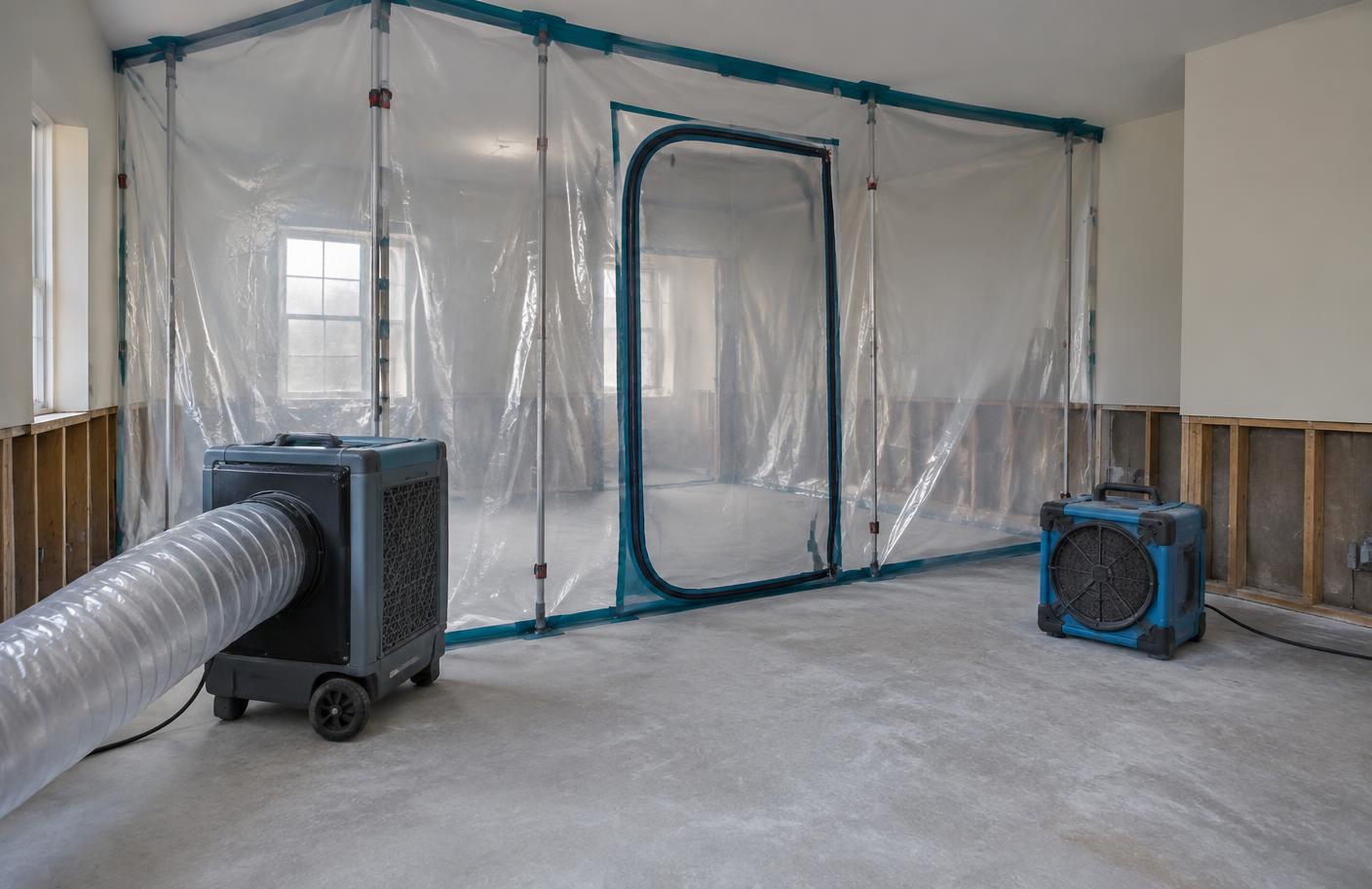
A careful remediation scope that addresses affected materials and the moisture conditions behind the problem.
Explore service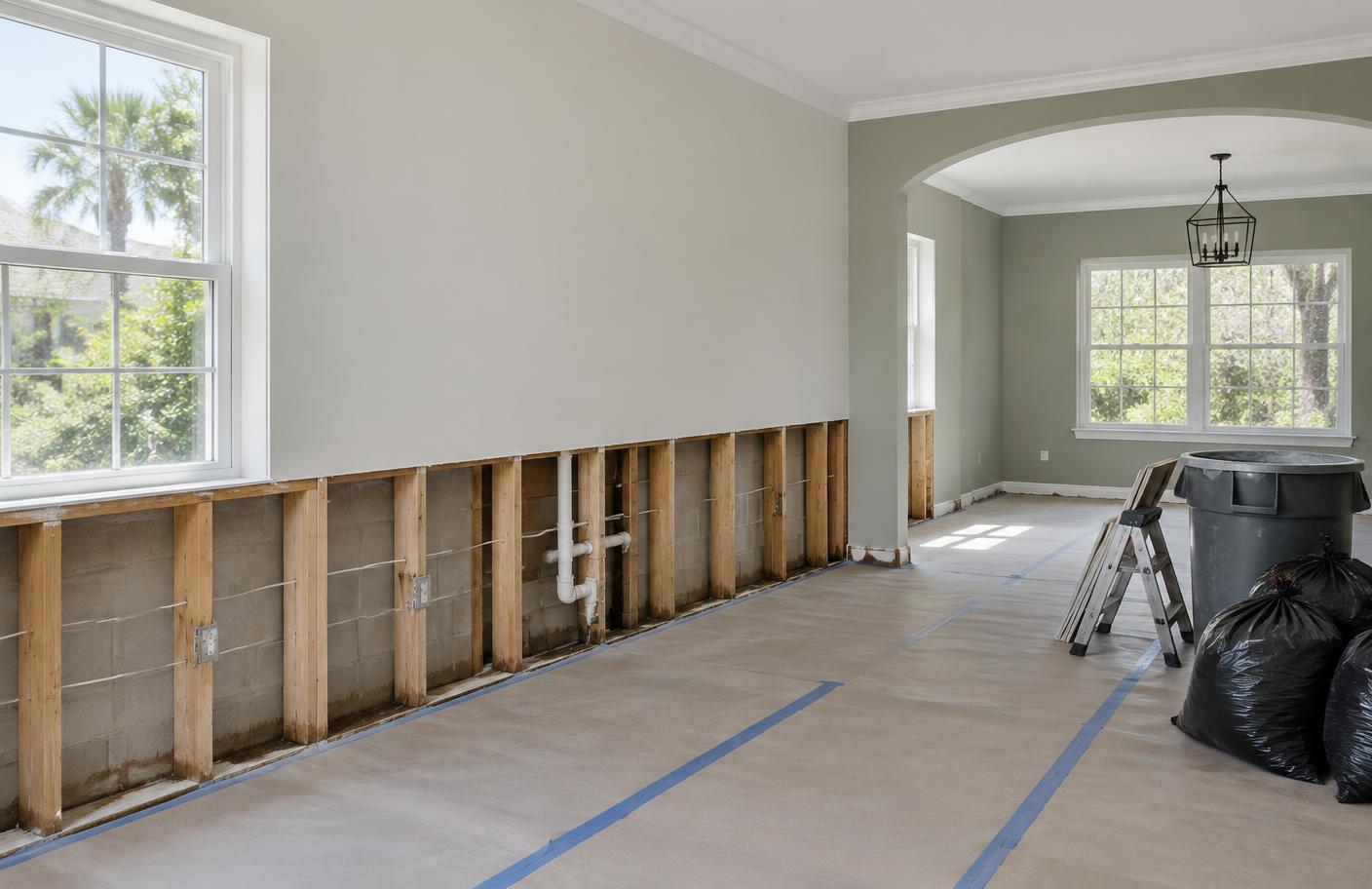
Careful removal of damaged building materials, with a clear scope and a plan for what comes next.
Explore service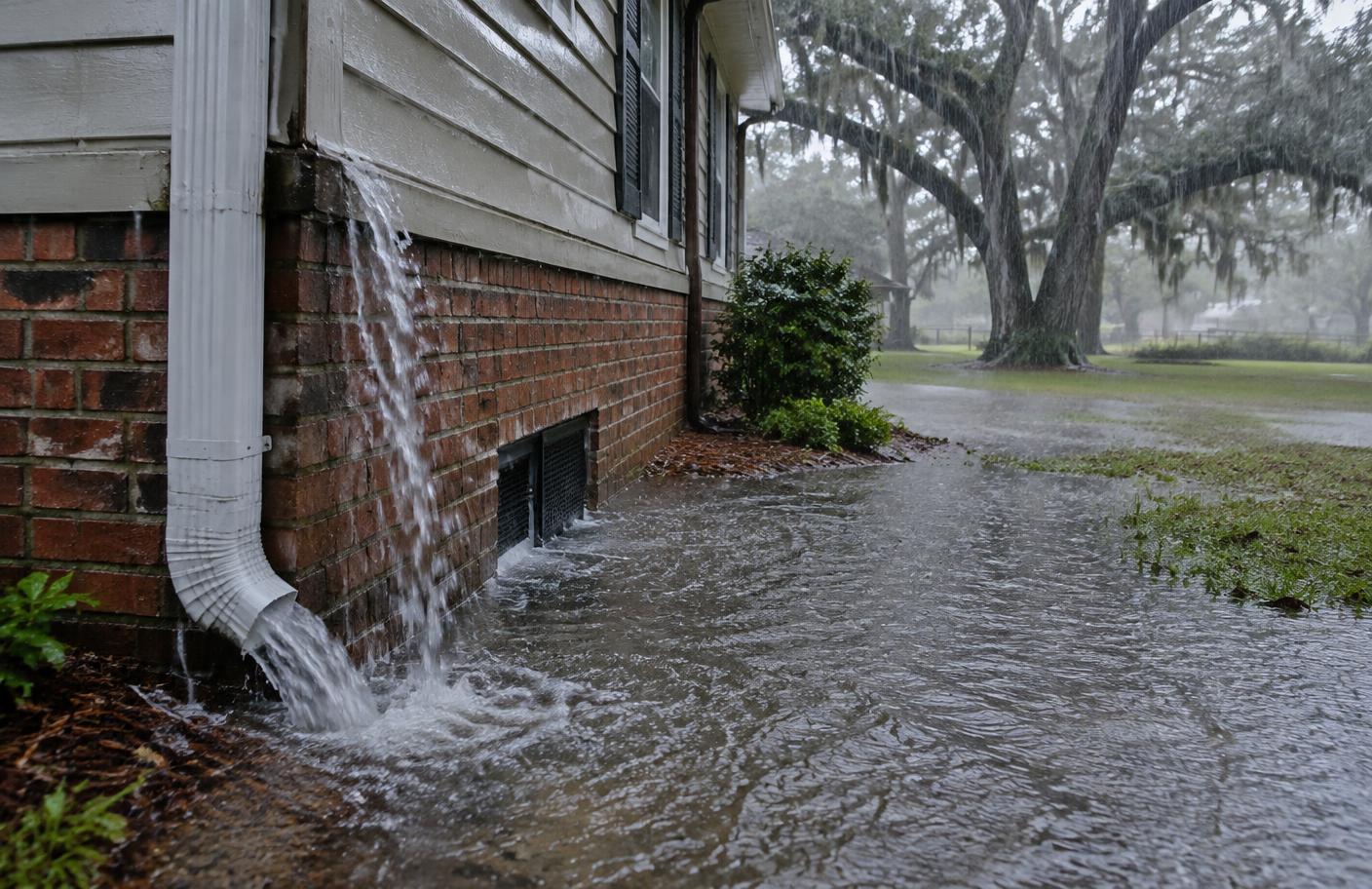
Evaluate storm-related water intrusion and organize the cleanup, drying and interior recovery.
Explore service
Drywall, flooring, trim and finishing work coordinated through Dunn Premier Homes LLC.
Explore serviceYour next step
Tell us what happened. We’ll help you understand the next steps.